What Are Barefoot Shoes? A Beginner's Guide
Short answer
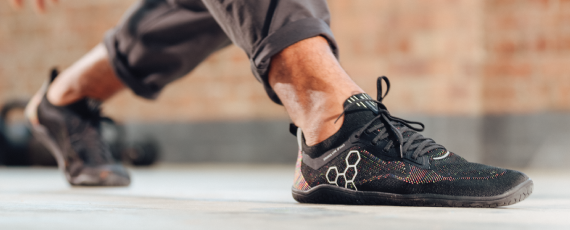
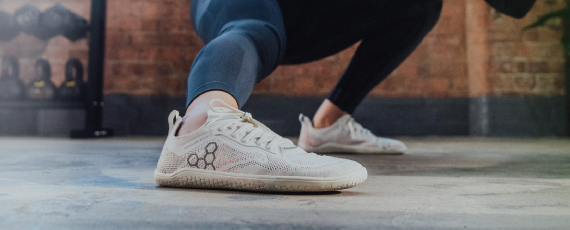
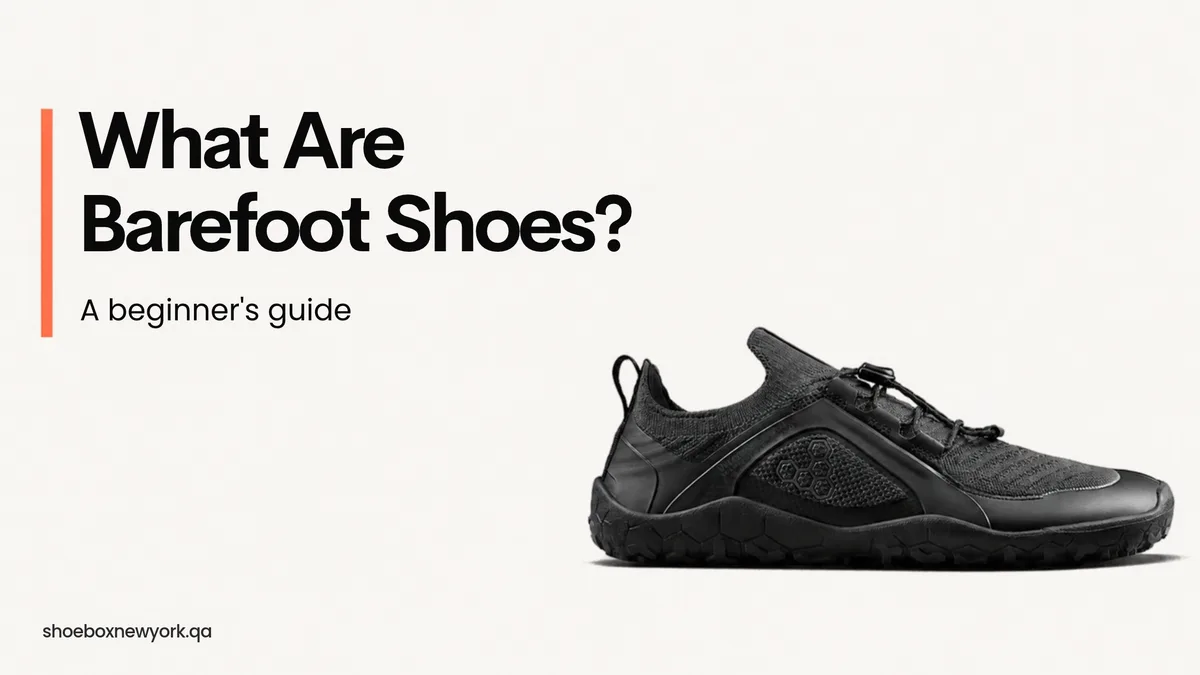
Barefoot shoes are shoes with a thin, flexible sole, a wide toe box and no raised heel. They protect your feet from the ground but leave them free to bend, spread and feel what is underfoot, much as they would with no shoes on.
Most trainers add things: cushioning, a lifted heel, a narrow, pointed front. Barefoot shoes take those away. If you have seen the name Vivobarefoot and wondered what makes the shoes different, this guide covers what barefoot shoes are, who they suit and how to start wearing them without overdoing it.
The three features of barefoot shoes
1. A thin, flexible sole. A few millimetres of rubber stand between you and the ground. You can roll the shoe up in your hand. The sole stops cuts and heat, and lets the foot bend at every joint.
2. A wide toe box. The front of the shoe is shaped like a foot, widest at the toes. Your toes can spread when you put weight on them.
3. No heel raise. The heel and the ball of the foot sit at the same height. This is called zero drop. A typical running shoe lifts the heel by several millimetres.
Barefoot shoes vs normal trainers
| Barefoot shoes | Cushioned trainers | |
|---|---|---|
| Sole | Thin, bends easily | Thick, firmer to bend |
| Toe box | Wide, foot-shaped | Narrower, tapered |
| Heel height | Level with the forefoot | Raised |
| Ground feel | High | Low |
| Cushioning | Minimal | Medium to maximum |
| Getting used to them | Takes weeks | Immediate |
Why people wear barefoot shoes
People choose barefoot shoes for a few practical reasons:
- Room for the toes. Anyone who finds normal shoes tight across the front often likes the shape straight away.
- Feel and balance. With a thin sole you sense the ground, which many people prefer for the gym, yoga and lifting.
- Using the foot's own muscles. Without cushioning and support, the foot and lower leg do more of the work when you walk.
- Light and packable. They weigh little and fold flat in a bag.
Are barefoot shoes good for you?
They suit many people, and they are not for everyone. Because the shoe does less, your feet and calves do more. That is the point, and it is also why moving to them too quickly can leave you sore.
If you have a foot condition, an injury or diabetes, ask a physiotherapist or podiatrist before you switch. If you are healthy and curious, start slowly and see how your feet respond.
How to start wearing barefoot shoes
- Week 1 to 2: wear them for an hour or two a day, around the house, on short errands or in the office.
- Week 3 to 4: add longer walks. Keep your cushioned shoes for the rest of the day.
- After a month: wear them for full days if your feet and calves feel fine.
- Running comes last. Start with a few minutes at the end of a normal run and build up over months, not weeks. For cushioned options, see how to choose running shoes.
Mild tiredness in the calves and the sole of the foot is normal at first. Sharp pain is a sign to stop and rest.
Choosing your first pair
- For everyday wear: a casual sneaker style in leather or knit.
- For the gym: a light training model with a grippy sole.
- For walking outdoors: a model with a slightly thicker, lugged sole.
- For kids: barefoot shoes are popular for children because the wide shape leaves growing toes uncramped.
On size: choose by foot length. The front is meant to feel roomy, so do not size down to make it snug. Our shoe size chart shows how to measure your foot at home.
Barefoot shoes in Qatar
Two things are worth knowing if you live here. The thin sole carries more heat from hot pavement than a thick one, so in summer keep them for indoors, malls, the gym and evenings. And the breathable uppers are comfortable in warm weather, which makes them easy to wear most of the year.
Frequently asked questions
What is the point of barefoot shoes?
To let your feet move naturally while still protecting them. The thin sole, wide toe box and level heel remove the cushioning and shaping that normal shoes add.
Can you wear barefoot shoes every day?
Yes, once your feet are used to them. Build up over a few weeks, starting with an hour or two a day.
Do you wear socks with barefoot shoes?
You can do either. Thin socks are the usual choice, and they help keep the shoes fresh in a warm climate.
Are barefoot shoes good for the gym?
Many people like them for lifting and floor work, because the flat, thin sole gives a stable base and good feel for the ground.
Where can I buy barefoot shoes in Qatar?
Shoebox New York Qatar stocks Vivobarefoot for men, women and kids at shoeboxnewyork.qa, with free delivery across Qatar and cash on delivery, and in our stores in Place Vendôme, Doha Festival City, Mall of Qatar and Gulf Mall.
Shop barefoot shoes
See the full range on our Vivobarefoot page. If you would like help choosing a first pair or a size, message us on WhatsApp at +974 7133 1120.