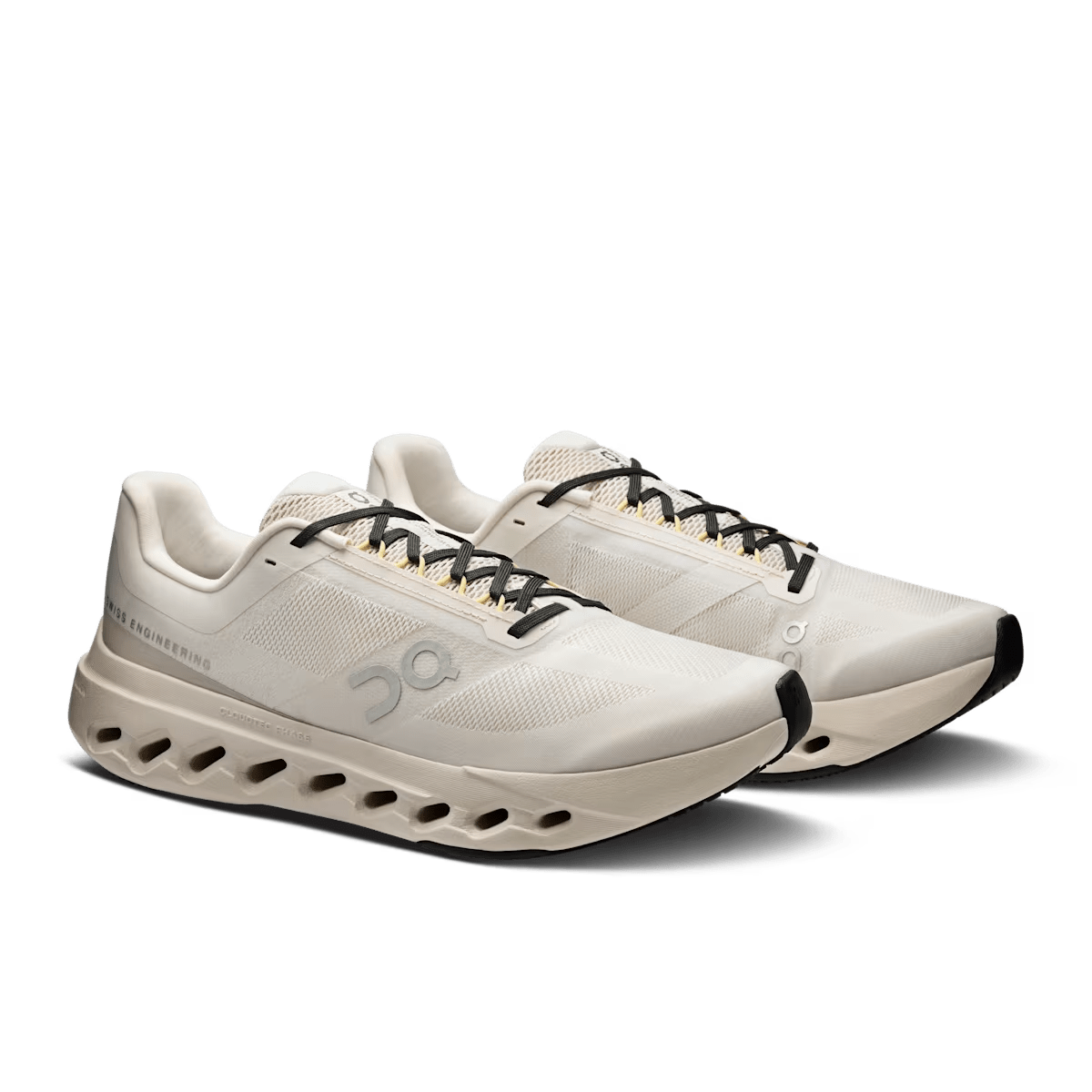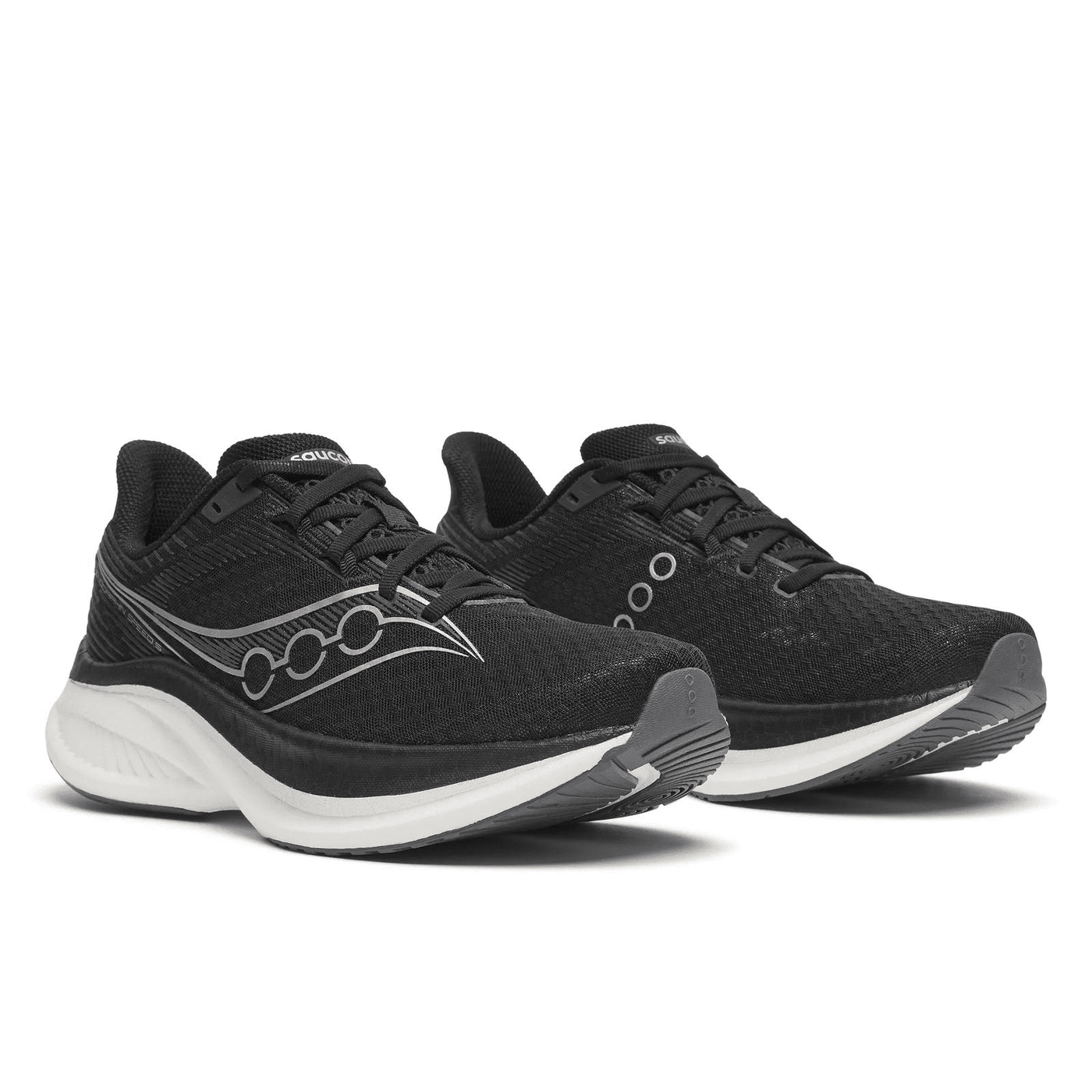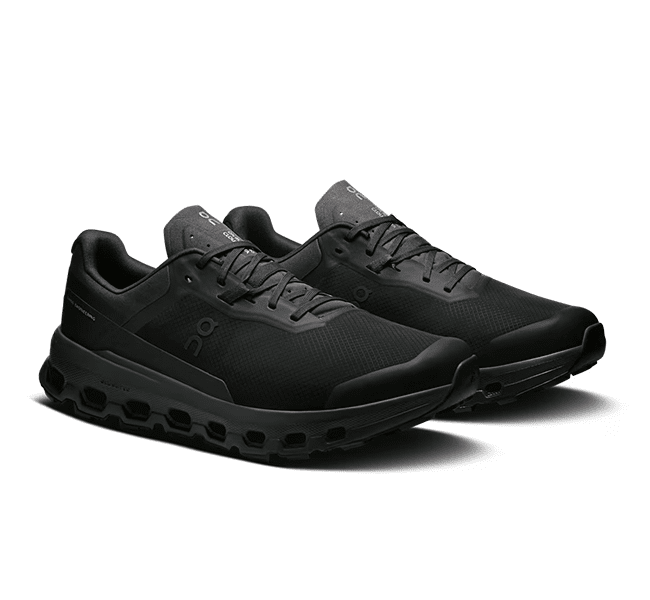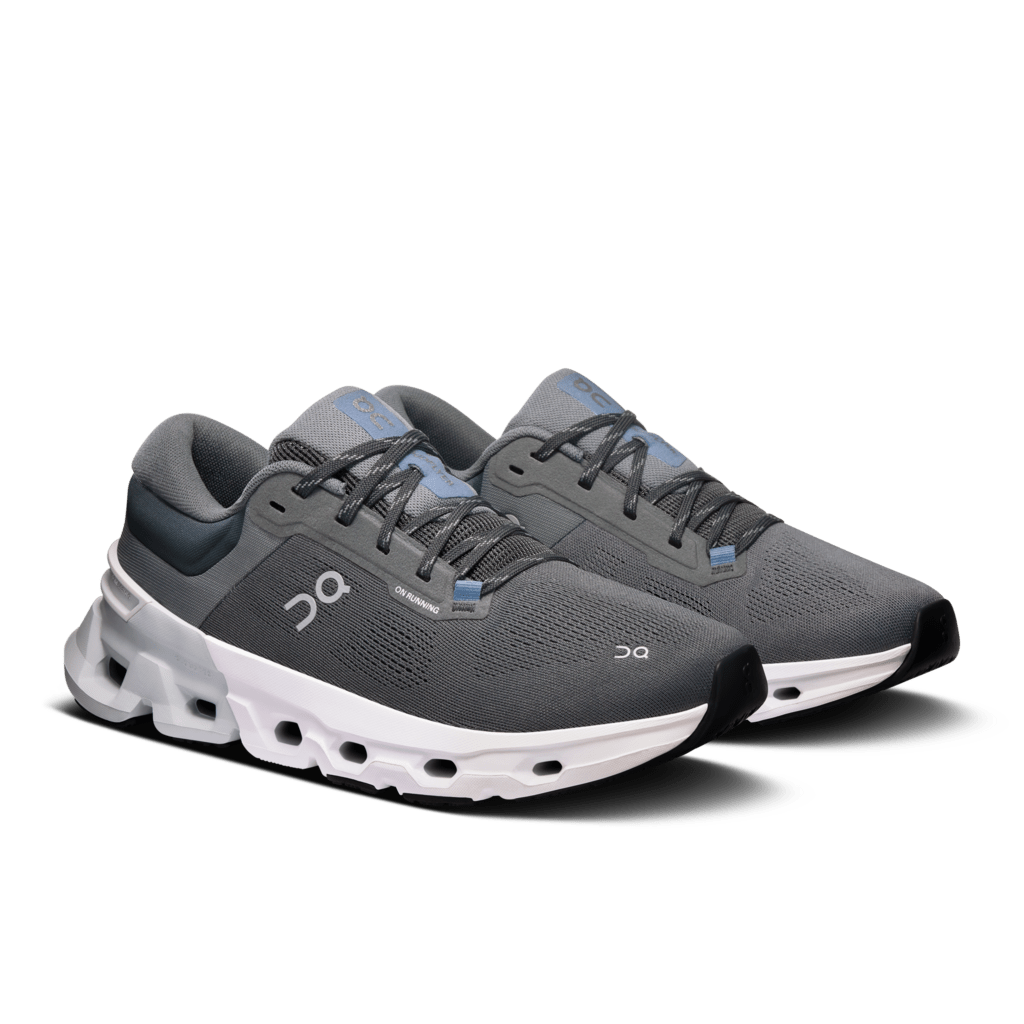
How to Choose Running Shoes
Short answer
To choose running shoes, decide five things in order: where you run, how much cushioning you like, whether you want extra support, the right size, and how many pairs you need. For most people the best running shoes are a cushioned, neutral daily trainer that fits with a thumb's width of space at the toe.
There is no single best running shoe. There is a best shoe for how you run, and it takes about ten minutes to work out. This guide walks through how to choose running shoes step by step, with examples from the brands we stock at Shoebox New York Qatar.
Step 1: Where do you run?
Road and pavement. The Corniche, compound roads, park paths. You want a road running shoe with a smooth outsole. Most runners need only this.
Treadmill. Any road shoe works. A lighter, more breathable one is more comfortable indoors.
Trails and sand tracks. Choose a trail shoe with deeper grip and a tougher upper, such as the On Cloudvista.
Step 2: How much cushioning?
Cushioning is the foam between your foot and the ground. More is not always better; it is a matter of feel.
| Cushioning | Feels like | Good for | Examples |
|---|---|---|---|
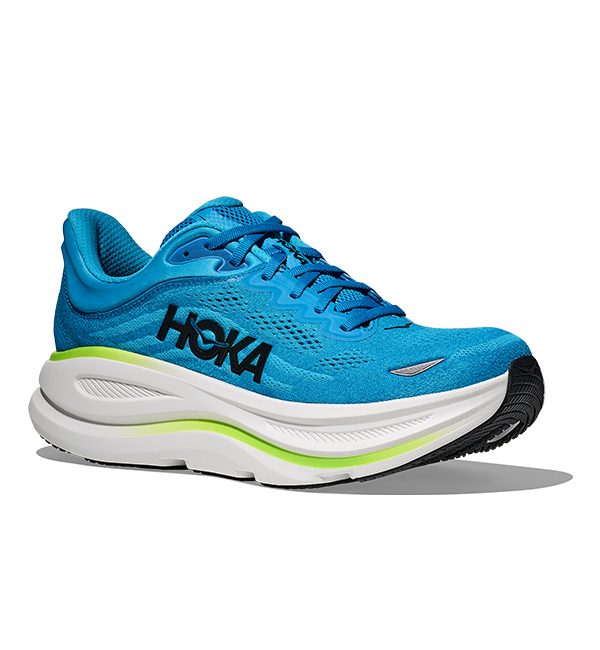
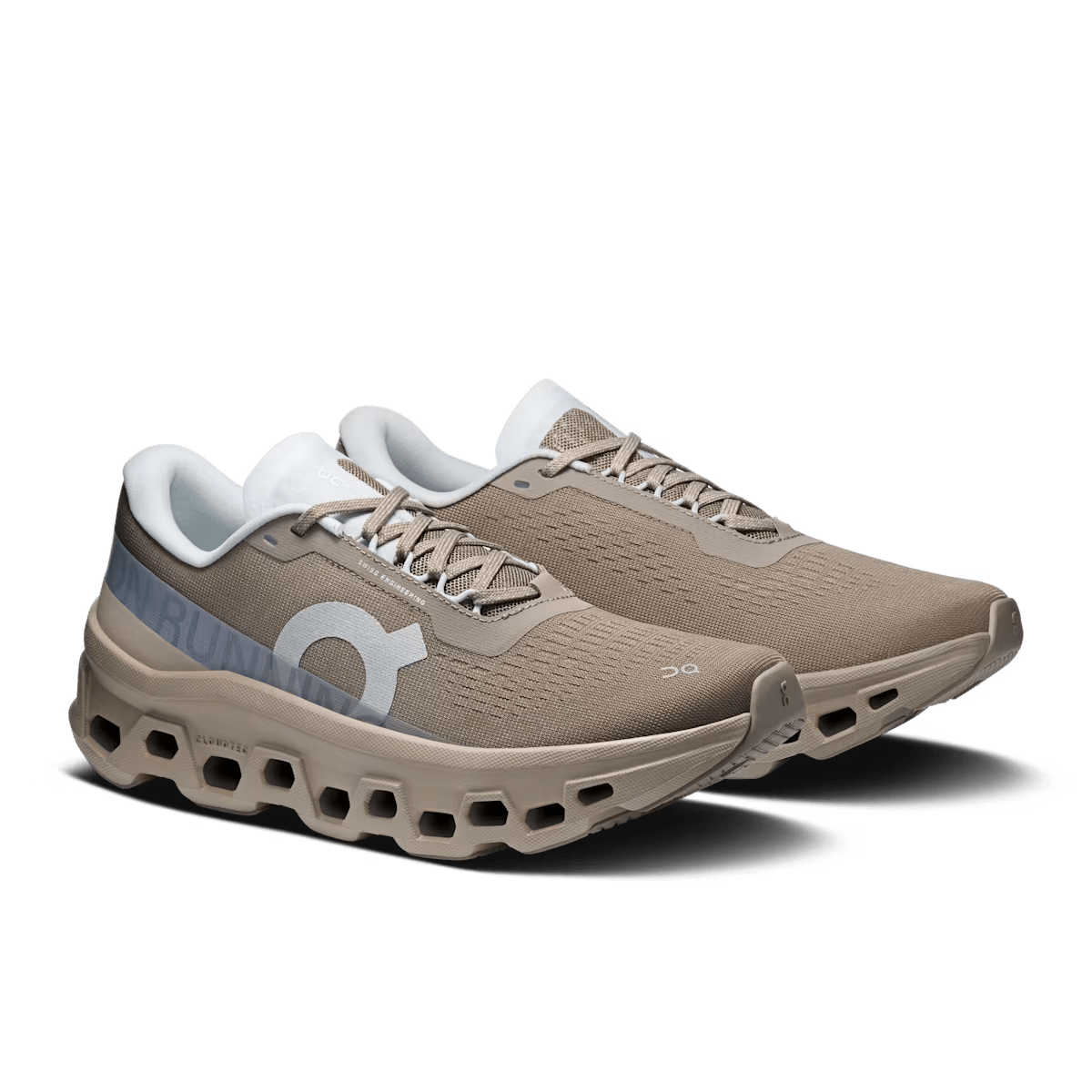
| Maximum | Very soft, protective | Long easy runs, heavier runners, sore legs | Hoka Bondi 9, On Cloudmonster |
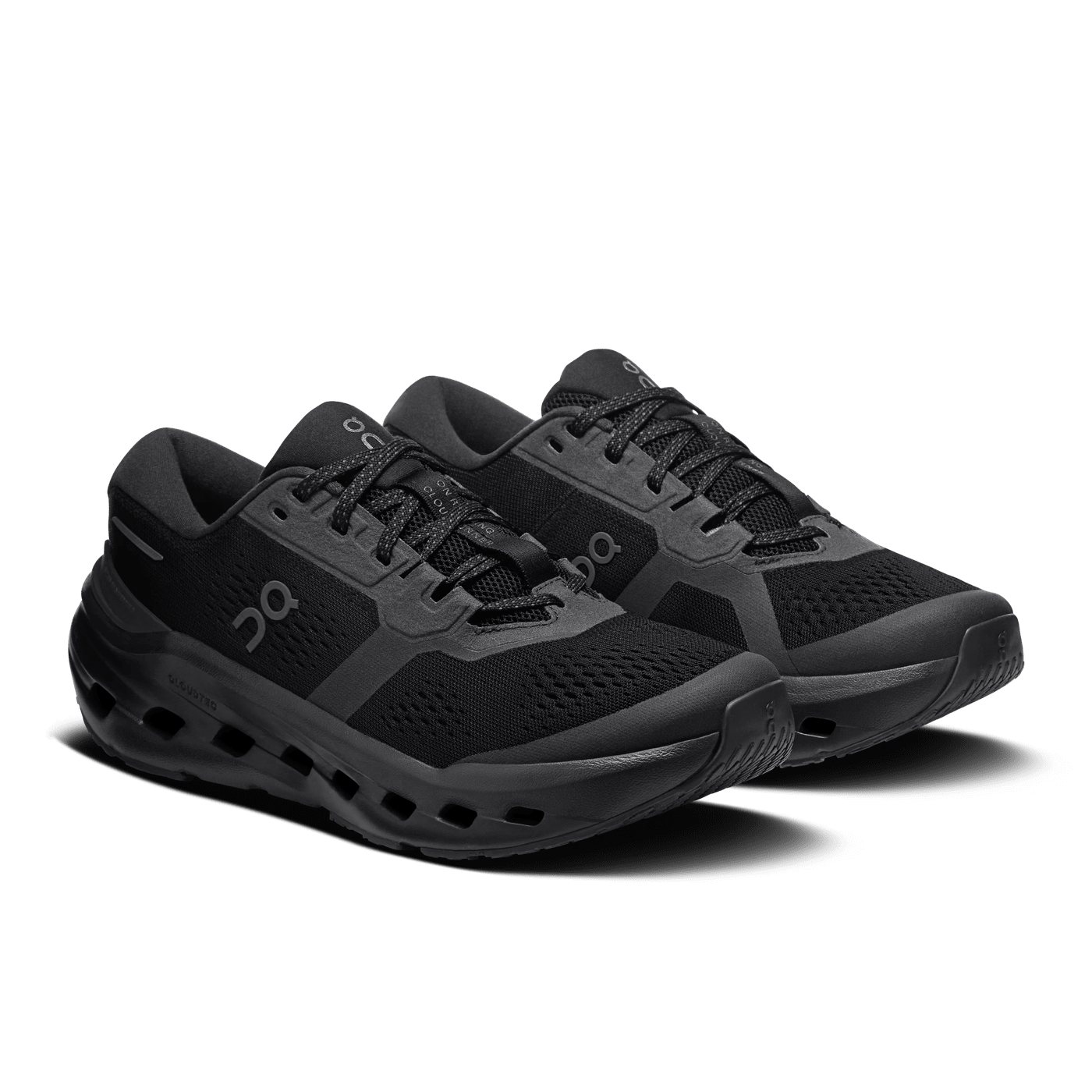
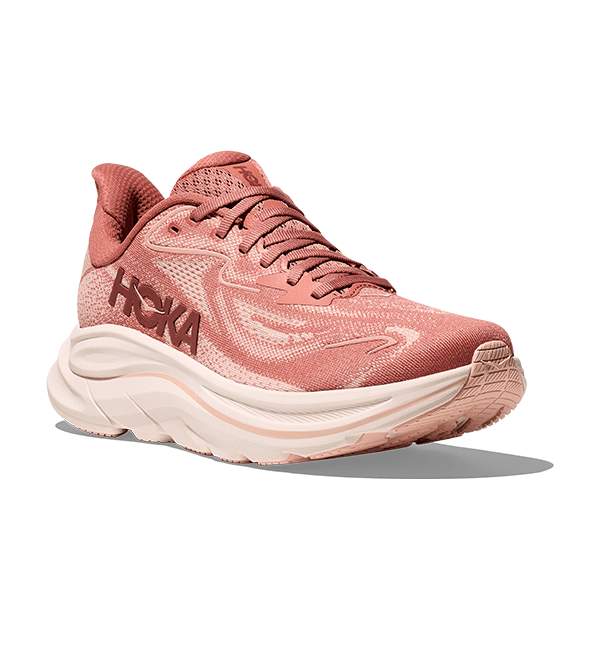
| Balanced | Soft but lively | Everyday running at any pace | Hoka Clifton 10, On Cloudrunner, On Cloudsurfer Next |
| Light and firm | Quick, close to the ground | Faster sessions and races | Hoka Mach 6, Saucony Endorphin Speed 5 |
If you are unsure, choose balanced. It is the safest place to start.
Step 3: Neutral or support?
A neutral shoe lets your foot move as it wants. A support (or stability) shoe has a wider base or firmer sides to steady the foot if it rolls inward a lot.
Most runners are comfortable in a neutral shoe. Consider a support shoe if your ankles tend to collapse inward, your old shoes are worn down heavily on the inside edge, or you simply feel steadier in one. The On Cloudrunner and On Cloudflyer are examples.
Comfort is a reliable guide here. If a shoe feels natural from the first few steps, it is usually the right kind for you.
Step 4: Get the fit right
- Length: leave about a thumb's width in front of your longest toe.
- Width: the front should hold your foot without squeezing the little toe.
- Heel: it should not slip when you walk.
- Timing: try shoes on, or measure your feet, in the evening when they are at their largest.
- Socks: use the socks you run in.
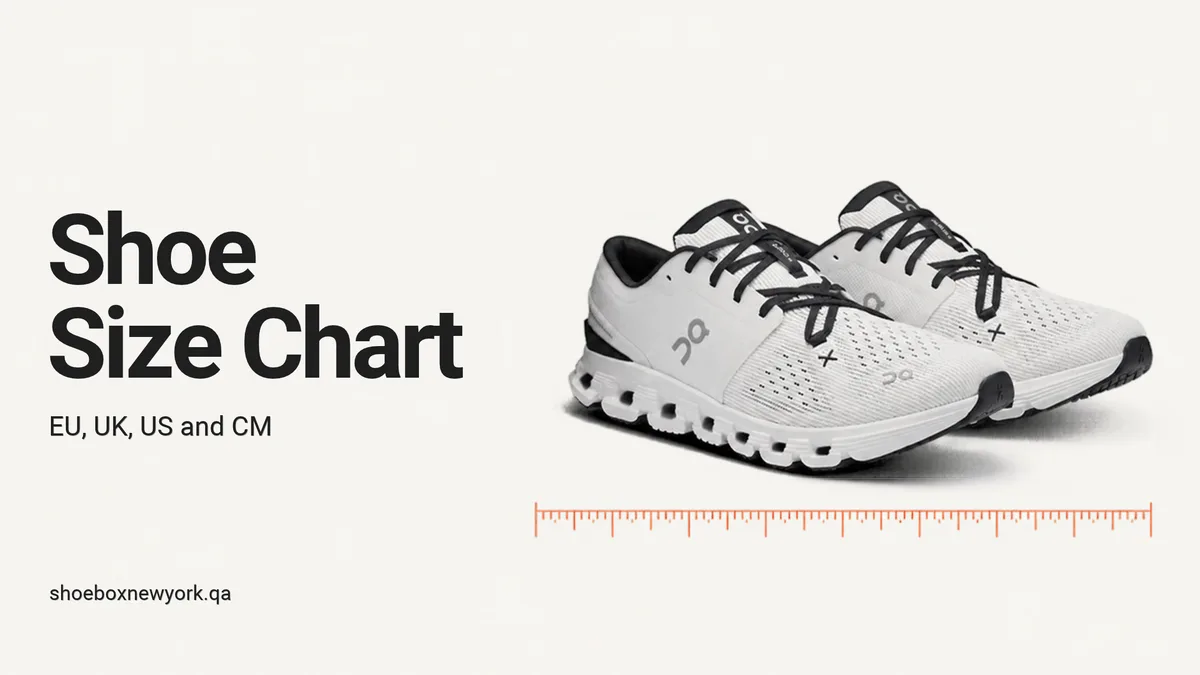
Many runners take half a size above their everyday shoes. Our shoe size chart shows how to measure at home.
Step 5: One pair or two?
One pair is enough if you run up to three times a week. Make it a balanced daily trainer.
If you run more often, a second pair is worth it: one cushioned shoe for easy days and one lighter shoe for faster days. Swapping between two pairs also gives the foam time to recover, so both last longer.
Running shoes for Qatar's weather
Heat changes the choice a little.
- Pick a breathable upper. Open mesh lets heat and sweat out. Avoid waterproof shoes for running here; they trap heat.
- Run early or late. From late spring to early autumn, most runners go out before sunrise or after dark, or use a treadmill.
- Allow for swelling. Feet swell more in heat, which is one more reason for that thumb's width of space.
- Dry them properly. Take the insoles out after a run and let the shoes air indoors. Do not leave them in a hot car, because heat breaks down the glue and foam.
Best running shoes for beginners
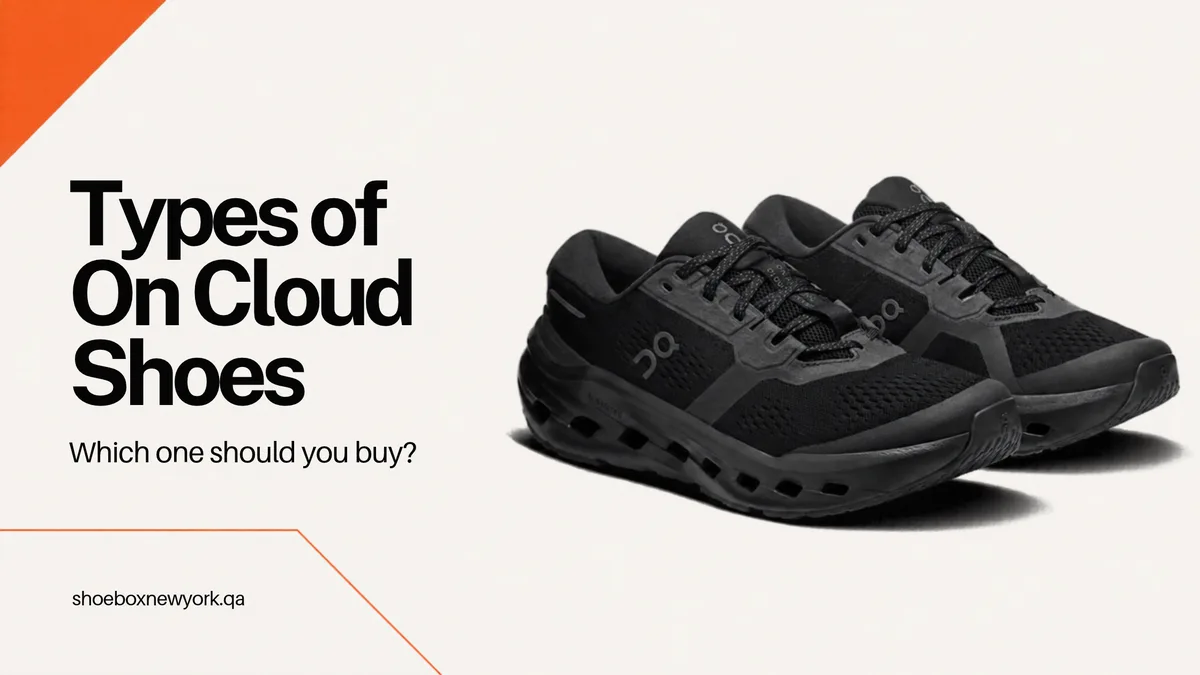
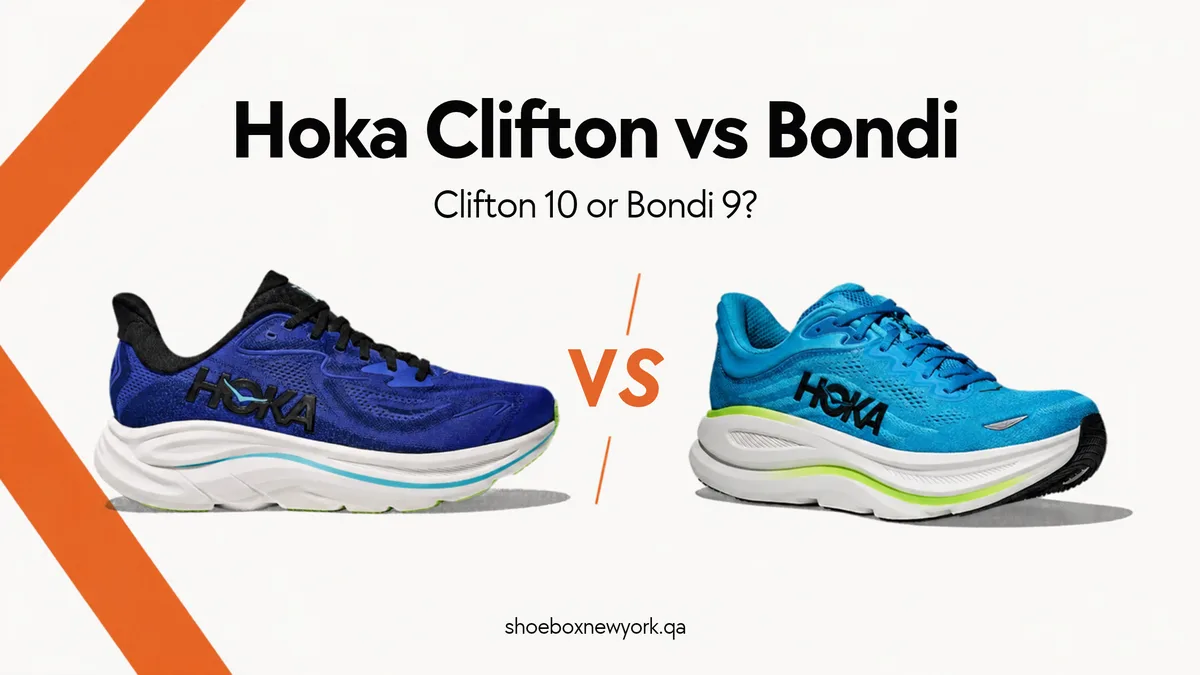
Start with a cushioned, stable daily trainer. Three good first shoes in our range are the On Cloudrunner, the Hoka Clifton 10 and, if you want the softest ride, the Hoka Bondi 9. Leave racing shoes with plates until you are running regularly. To compare the two Hokas, read Hoka Clifton vs Bondi; for the On range, see types of On Cloud shoes.
When to replace running shoes
A common guideline is every 500 to 800 km. Replace them sooner if the sole feels flat, the grip is worn smooth, or you start to notice new aches after runs.
Frequently asked questions
What should I look for when buying running shoes?
Fit first, then cushioning that feels comfortable, then the right type for where you run. A shoe that feels natural in the first few steps is usually a good choice.
Are expensive running shoes better?
Not necessarily. Higher prices usually buy lighter foam or a racing plate, which matter for speed. For everyday running, a mid-range daily trainer is all most people need.
Can I use running shoes for the gym?
For the treadmill and light classes, yes. For lifting and side-to-side movement, a flatter training shoe is more stable.
How many kilometres do running shoes last?
Around 500 to 800 km for most daily trainers, less for light racing shoes.
Where can I buy running shoes in Qatar?
At shoeboxnewyork.qa, with free delivery across Qatar and cash on delivery, and in Shoebox New York stores in Place Vendôme, Doha Festival City, Mall of Qatar and Gulf Mall.
Shop running shoes
Browse all running shoes, or go to On, Hoka and Saucony. For help choosing, message us on WhatsApp at +974 7133 1120.